This has been defined by many institutions and researchers, but from my understanding a smart city is innovating infrastructure and current assets by using current data and digital technology. This should improve sustainability, environment and improve the quality of life.
Essentially, we are using existing data and new technology to help and improve the quality of life. This could be something small such as fitting an ANPR (automatic number plate registration) systems in car parks to reduce the time waiting in queues or adding solar panels to streetlights to reduce electricity usage in the area.
Why do we need to be smart?
Well, the reduction of space in city centers is increasing and there is current overcrowding and congestion which will lead to an increase in pollution levels around congested areas; thus cities want to be at the forefront to reduce climate change.
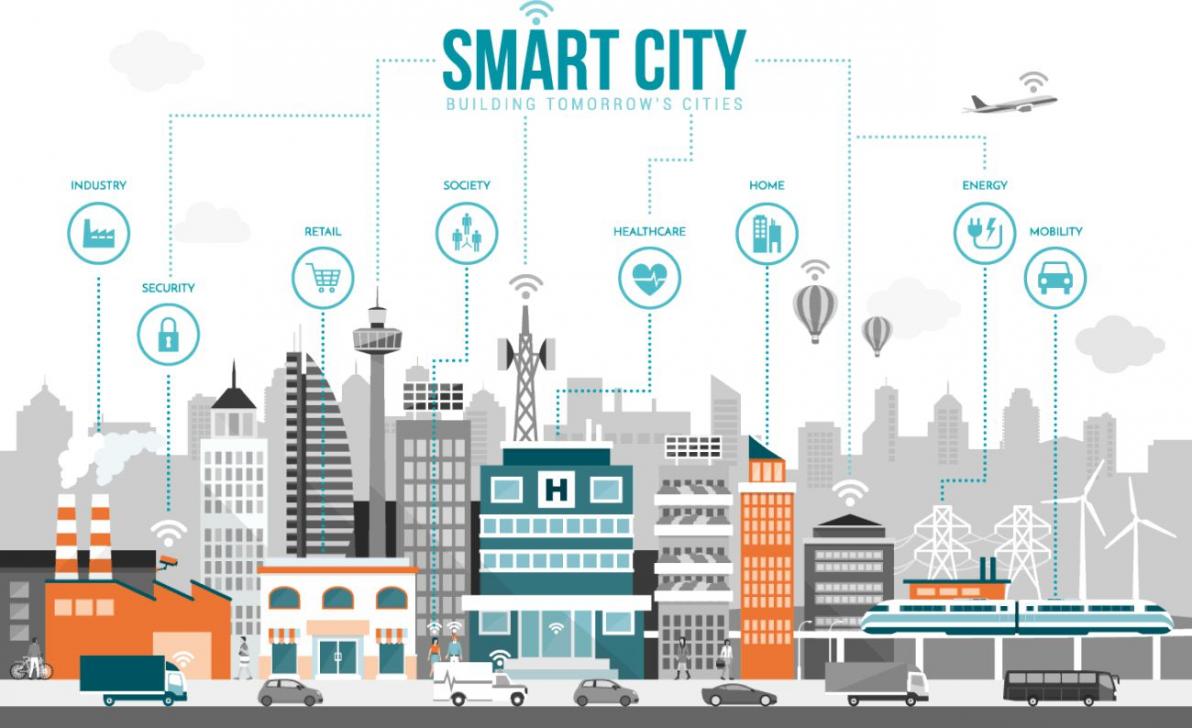
Being smart and using data/digital technology can help vulnerable users in their own homes where assistive technology can be used to monitor movement in and around an individual’s home. As well, we can save electricity by using smart meters inside residential homes such as the “hive”.
Geological aspect to smart cities
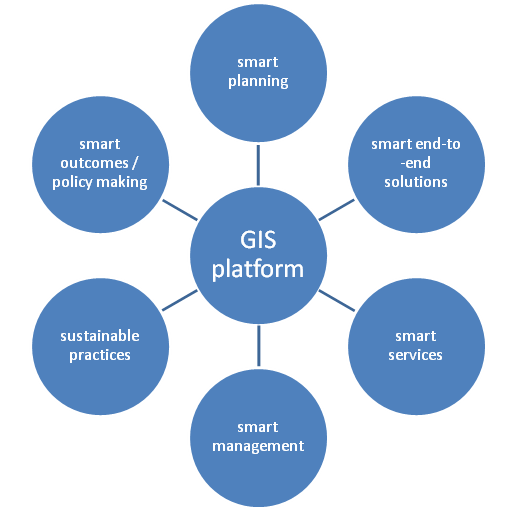
Geology plays a big role in becoming a smarter city. The use of geological maps is key as it can be used to collate 3D and 2D data and can be used on many GIS (Geographic Information Systems) applications. Using the subsurface would require the knowledge of the properties underneath the ground such as heat and pressure.
5G the next big thing!
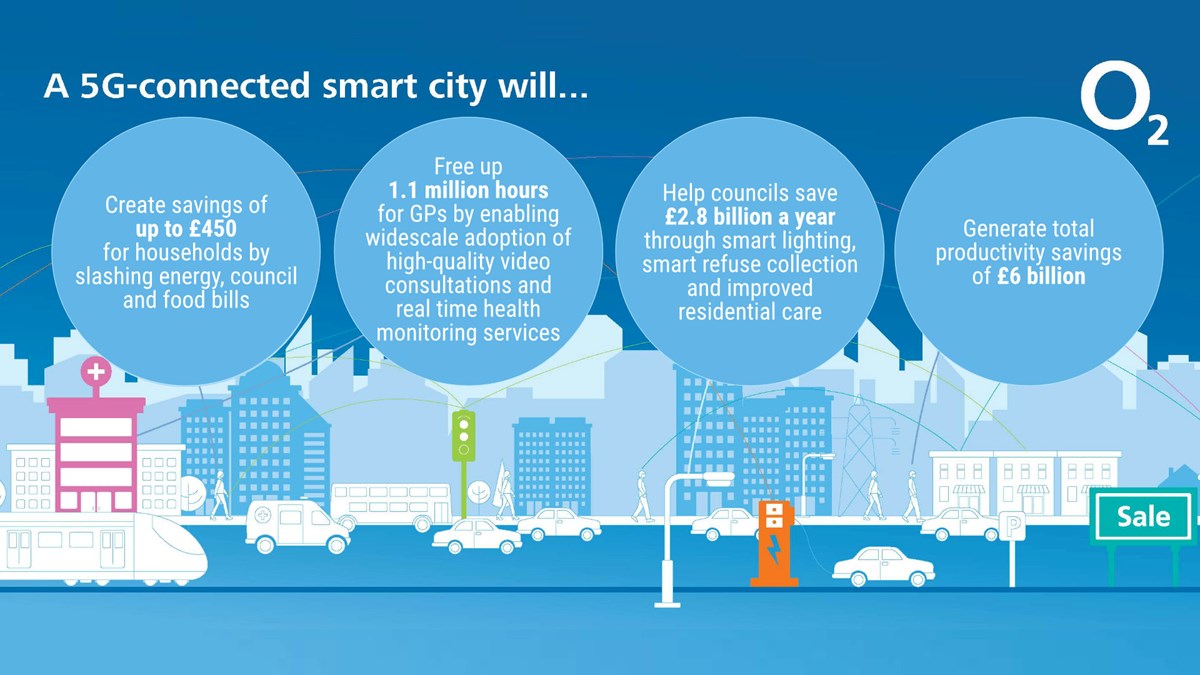
A smart city can help businesses and the economy within the city, one aspect is via the use of 5G. It is set to be the next big thing in terms of fast network speeds and local authorities are implementing 5G networks in town centers. 5G is 40-60 seconds faster at downloading than 4G. For example, students can use 5G network whilst they are in a coffee shop completing their assignments. However, the only downside about the 5G network is that the routers need to be near each other for there to be a consistent network. Therefore, local authorities would be looking to put these routers within assets such as bollards, lamppost, traffic lights etc.
Most local authorities are now taking the steps to become a smart city, whether that’s in the very slightest of changes, but it is happening! Tests are already taking place on automotive driving, but the question is how much can we trust digital technology? I think its great to use digital technology to benefit, improve our quality of life but as well we need to look at safety aspect. Let me know your thoughts in the comment section!
 Dhanik's Blog